International conference

Scattered,
Tracked,
Connected

We explore dispersed cultural heritage and seek ways to reconnect fragmented history through global networks, archives and digital methods.

April 29–30, 2026 Vilnius, Lithuania
About

The Conference

How to work with heritage that no longer forms a whole, that may no longer exist, or that never truly existed as a complete entity? The international conference “Dispersed, Discovered, Reconnected” invites museum professionals, collection curators, historians, art historians and heritage researchers to examine dispersed, displaced or deliberately scattered cultural heritage.

The conference aims to discuss how museums and memory institutions identify, interpret, re-contextualize and seek to restore connections between scattered heritage objects — using archives, digital tools, community engagement and ethical storytelling.

We invite you to register here.

Simultaneous interpretation app Google Play

Simultaneous interpretation app: Appstore

PROGRAMME

Preliminary Programme

09.00–09:30  Registration / Coffee Near Event Hall, 2nd Floor
09.30–10:00 Opening
10:00–10.45  Keynote

Mathilde Daussy-Renaudin (UNESCO, France )

Implementing the UNESCO 1970 Convention in the digital era: the UNESCO Virtual Museum of Stolen Cultural Objects
Event Hall, 2nd Floor
10:45–11.00   Break
Event Hall, 2nd Floor 
Session 1
11.00–11.30 Jay Prosser (University of Leeds universitetas, United Kingdom)

The Jewish Elgin Marbles: Who Owns the Salonican Shoah Shoe Soles?
11.30–12.00 Sandra Fernandes dos Santos (University of Coimbra, Portugal); Nuno Coelho (University of Coimbra, Portugal); Jorge C.S. Cardoso (University of Coimbra, Portugal)

Bridging Silence: Digital Reconnection of Cabinda’s Proverbial Potlids
Archeology exposition, 1st Floor
Session 2
11.00–11.30 Miglė Lebednykaitė (National Museum of Lithuania, Lietuva); Raphaël Bories (Museum of European and Mediterranean Civilisations (Mucem), France)

Shared or Scattered? Lithuanian Ethnographic Collections between France and Lithuania
11.30–12.00 Angelika Hofmann (Germanisches Nationalmuseum, Germany)

Archaeological Heritage form the Dark Ages and its Way Back to Light: Two World War II Collections from Lithuania und Spain in the Germanisches Nationalmuseum in Nuremberg
12.00–12.30 Joanna Sikorska (The National Museum in Warsaw, Poland)

Managing Losses and Gains: A Case Study of the Prints and Drawings Collection of the National Museum in Warsaw
12.30–14.00  Lunch
Event Hall, 2nd Floor 
Session 3
14.00–14.30 Vitalija Stravinskienė (Lithuanian Institute of History, Lithuania)

The Journey of Vilnius Cultural artifacts to Poland: Between Plans and Reality (1944–1947)
14.30–15.00 Revekka Kefalea (Independent Researcher, Greece)

Restitution, Digitisation and Open Access: Reading the Sarr-Savoy Report in Historical Context
15.00–15.30 Margaret Tali (Tallinn University, Estonia)

Researching Layered Colonialisms through Objects in Estonian Museums
Archeology exposition, 1st Floor
Session 4
14.00–14.30 Vilma Gradinskaitė (Vilna Gaon Museum of Jewish History, Lithuanian National Museum of Art, Lithuania)

Jewish Art Collections of Interwar Lithuania and the Vilnius Region: Reconstructing Lost Heritage
14.30–15.00 Lara Lempertienė (Martynas Mažvydas National Library of Lithuania, Lithuania)

Lost and Found. The provenance and post-WWII status of Jewish documents in the state document repositories of Lithuania 
15.00–15.30 Moshe Lavee (University of Haifa, Israel); Dan Rabinowitz (Independent Researcher, United States); Eliezer Baumgarten (University of Haifa, Israel)

Title: Reassembling Intellectual Horizons: The Strashun Library Ledgers as a Pathway to Understanding the Cultural Life of Vilna Jewry
15.30–16.00 Networking Coffee
Event Hall, 2nd Floor 
Session 5
16.00–16.30 Christien Schrover (Utrecht University Netherlands)

The Altarpiece and its Fragments: the digital reconstruction of the Mary Altarpiece (1475–1477)
16.30–17.00 Judith Hentschel, Anja K. Frisch, Wibke Ottweiler, Lisa Eckstein, Beate Fücker( Germanisches Nationalmuseum, Germany)

Beyond the Middle Ages. Reframing Medieval Art in Nuremberg
Archeology exposition, 1st Floor
Session 6
16.00–16.30 Jiří Blažek (The Documentation Centre for Property Transfers of the Cultural Assets of WWII Victims, Chechia)

Unburied memories. Tracing the original owners of the looted books from Central Library of Theresienstadt Ghetto
16.30–17.00 Karolina Bukovskytė (National Museum of Lithuania, Lithuanian Culture Research Institute, Lithuania)

The Museum of Atheism as an Institution of Oblivion
17.00–17.30 Anna Kowalik (Academy of Fine Arts in Warsaw, Poland)

An Anatomy of Absence: The Stop-Motion Puppet as an Object of Care and a Conservation Challenge – The Case of Kosmobajka (1966, dir. Janina Hartwig, Se-ma-for Studio)
17.45–18.30  Guided tour with curators in the international exhibition “Riding the Wave of Paris Exhibitions: Ethnography, Cultural Diplomacy, and Identity” House of Histories, T. Kosciuškos g. 3, 1st Floor
17.45–18.30  Guided tour in the international exhibition "A Soul Between Worlds" House of Histories, T. Kosciuškos g. 3, 2nd Floor
19.00 Reception
09.00–10:00 Registration / Coffee Near Event Hall, 2nd Floor
10:00–10.45  Keynote 

Ewa Manikowska (Institute of Art, Polish Academy of Sciences, Poland)

Why Provenance Matters?
Event Hall, 2nd Floor)
10:45–11.00   Break
Event Hall, 2nd Floor
Session 7
11.00–11.30 Stephen Gray (University of Bristol, United Kingdom)

Uncertain Space: Virtually Uniting Geographically Dispersed Collections through the University of Bristol’s Virtual Museum
11.30–12.00  Martin Gordon (Film University Babelsberg KONRAD WOLF, Germany)

The Abandoned Laundry
12.00–12.30 Renia Korma (Rijksuniversiteit Groningen, Independent Art curator, Netherlands)

Digitally Reuniting a Fragmented Monument: The Parthenon Sculptures as Dispersed Heritage
Archeology exposition, 1st Floor 
Session 8
11.00–11.30 Ieva Kuizinienė (National Museum – Palace of the Grand Dukes of Lithuania, Lithuania)

The Tapestries of the Wiśniowiecki Princes in the Sanguszko Collections: Attribution and Biography
11.30–12.00  Anna Yanenko (National Preserve “Kyiv-Pechersk Lavra”, Ukraine)

In Shreds: The Kyiv Lavra Museum/Preserve Collection during the First Decades of Bolshevik Occupation
12.00–12.30 Milena Mierzejewska - Wasilewska (The Polish Army Museum in Warsaw, Poland)

Scattered Treasures: The Wartime Odyssey of the Museum of the Polish Army’s Collections
12.30–14.00  Lunch
Event Hall, 2nd Floor
Session 9
14.00–14.30 Gethin Rees (King's College London, United Kingdom)

‘A map they could all understand.’ Finding alternatives to Web Mercator for visualising dispersed heritage
14.30–15.00 Darius Bujokas (Lithuanian archives of Literature and Art, Lithuania); Marta Musso (Archives Portal Europe)

„Archives Portal Europe“ – išsklaidytų kolekcijų sujungimas skaitmeninėje erdvėje
15.00–15.30 Sherri Berger (Smithsonian's National Museum of American History, United States)

Building the Foundation for Discovery: Practical but Transformative Approaches from the Smithsonian’s National Museum of American History
Archeology exposition, 1st Floor 
Session 10
14.00–14.30 Peter Sjökvist (Uppsala University Library, Sweden)

Scattered or Disseminated? The Reception of Looted Books in Sweden
14.30–15.00 Irmantė Šarakauskienė (M. K. Čiurlionis National Museum of Art, Lithuania)

The Dispersed Art Collection of the Counts Hutten-Czapski of the Beržėnai Manor
15.00–15.30 Lijana Muradian (National Museum of Lithuania, Lithuania)

Returning to Heritage Sites discovered over a century ago: the case of the Mišeikiai (Klaipėda District) / Miszeiken (Kreis Memel) burial mound cemetery
15.30–16.00 Networking Coffee 
Event Hall, 2nd Floor
Session 11
16.00–16.30 Sylvia Petrovic-Majer (OpenGLAM.at, Austria); Markus Passecker (University of Applied Sciences St. Pölten, Austria)

Fragments of History - Courage to Embrace the Gap
16.30–17.00 16.30–17.00 

Ernesta Kazakėnaitė (Vilnius University, Lithuania)

Dispersed and Rediscovered, Yet Not Fully Connected: A Network of Digitized Lithuanian Books from the 16th–17th Centuries
Archeology exposition, 1st Floor 
Session 12
16.00–16.30 Anna Juga- Szymańska (University of Warsaw, Poland)

Archaeological Collections of Vilnius Noted in the Archive of Faculty of Archaeology University of Warsaw
16.30–17.00 Heino Neumayer (Museum für Vor- und Frühgeschichte, Staatliche Museen zu Berlin, Germany); Audronė Bliujienė (Institute of Baltic Region History and Archaeology, Klaipėda University, Lithuania); Eglė Rimkienė (Institute of Baltic Region History and Archaeology, Klaipėda University, Lithuania)

Archival Archaeology - A Platform for International Collaboration
17.00–17.30 Anna Bitner-Wróblewska (State Archaeological Museum Warsaw, Poland); Audronė Bliujienė (Institute of Baltic Region History and Archaeology, Klaipėda University, Lithuania); Eglė Rimkienė (Institute of Baltic Region History and Archaeology, Klaipėda University, Lithuania)

Egliškiai-Anduliai (Andullen) cemetery in the Focus of Archival Archaeology
17.30–17.45 Closing remarks Event Hall, 2nd Floor

Speakers

Read more
Ewa Manikowska
Institute of Art, Polish Academy of Sciences, Poland
Why Provenance Matters?
Read more
Martin Gordon
Film University Babelsberg KONRAD WOLF, Germany
The Abandoned Laundry
Read more
Anna Kowalik
Academy of Fine Arts in Warsaw, Poland
An Anatomy of Absence: The Stop-Motion Puppet as an Object of Care and a Conservation Challenge – The Case of Kosmobajka (1966, dir. Janina Hartwig, Se-ma-for Studio)
Read more
Lijana Muradian
National museum of Lithuania, Lithuania
Returning to Heritage Sites discovered over a century ago: the case of the Mišeikiai (Klaipėda District) / Miszeiken (Kreis Memel) burial mound cemetery
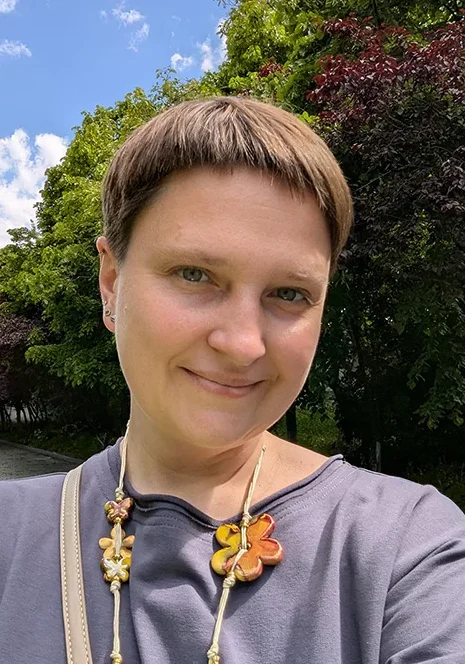
Read more
Anna Yanenko
National Preserve “Kyiv-Pechersk Lavra”, Ukraine
In Shreds: The Kyiv Lavra Museum/Preserve Collection during the First Decades of Bolshevik Occupation
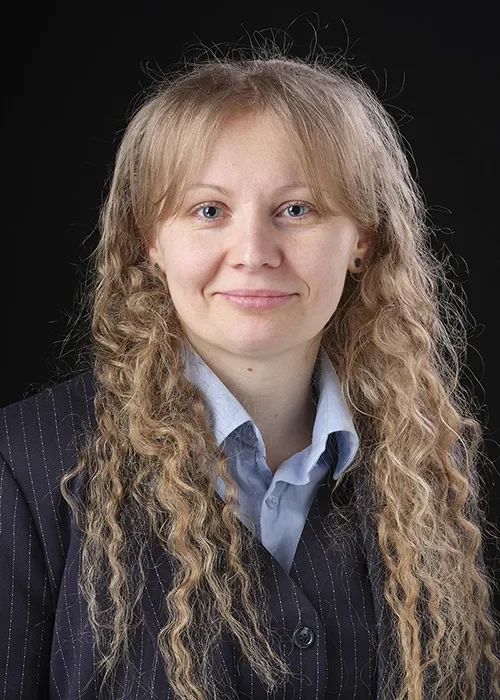
Read more
Milena Mierzejewska-Wasilewska
The Polish Army Museum in Warsaw, Poland
Scattered Treasures: The Wartime Odyssey of the Museum of the Polish Army’s Collections
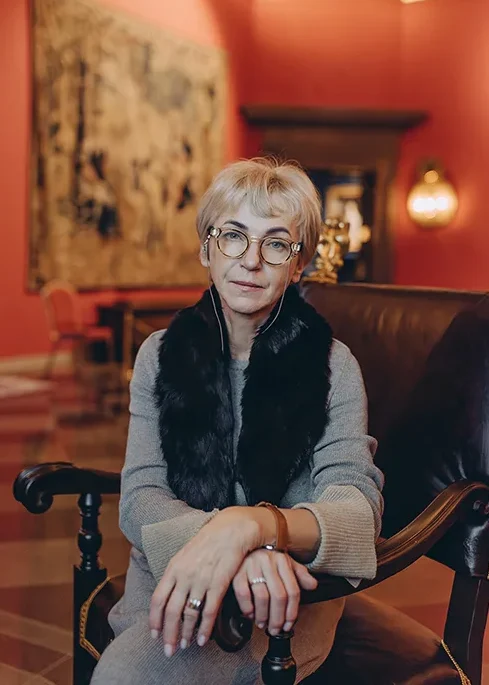
Read more
Ieva Kuizinienė
National Museum – Palace of the Grand Dukes of Lithuania, Lithuania
The Tapestries of the Wiśniowiecki Princes in the Sanguszko Collections: Attribution and Biography
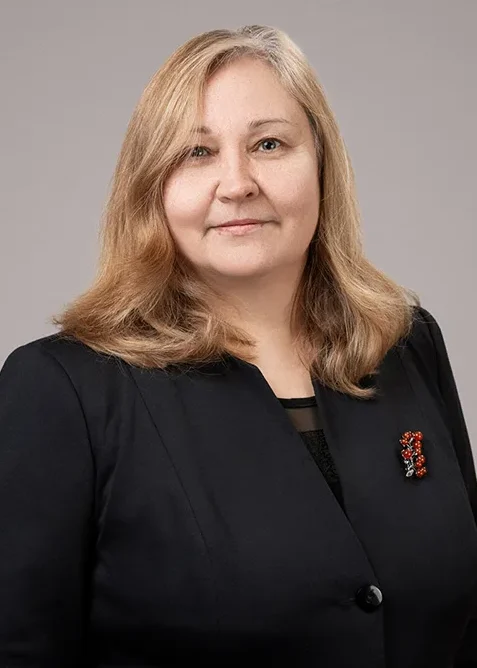
Read more
Vitalija Stravinskienė
Lithuanian Institute of History, Lithuania
The Journey of Vilnius Cultural artifacts to Poland: Between Plans and Reality (1944–1947)
Read more
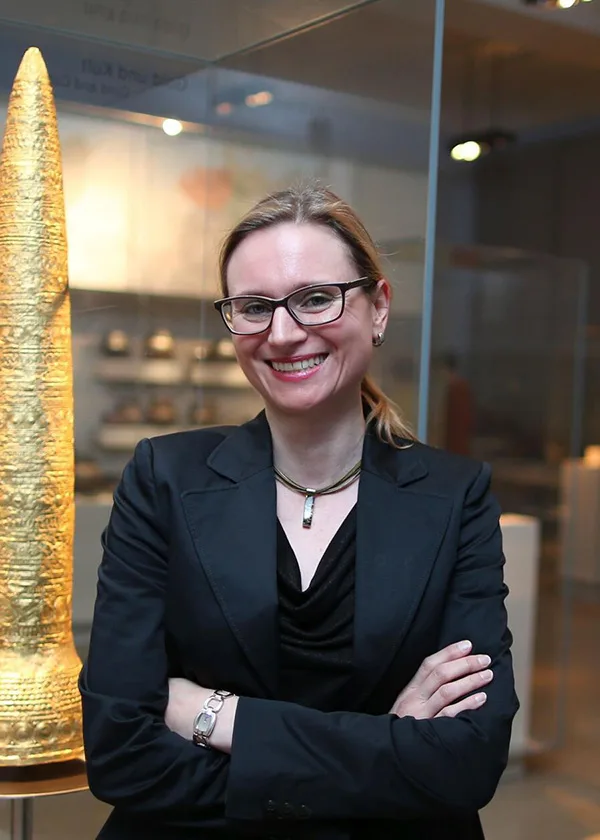
Jiří Blažek
The Documentation Centre for Property Transfers of the Cultural Assets of WWII Victims, Chechia
Unburied memories. Tracing the original owners of the looted books from Central Library of Theresienstadt Ghetto
Read more
Angelika Hofmann
Germanisches Nationalmuseum, Germany
Archaeological Heritage form the Dark Ages and its Way Back to Light: Two World War II Collections from Lithuania und Spain in the Germanisches Nationalmuseum in Nuremberg
Read more
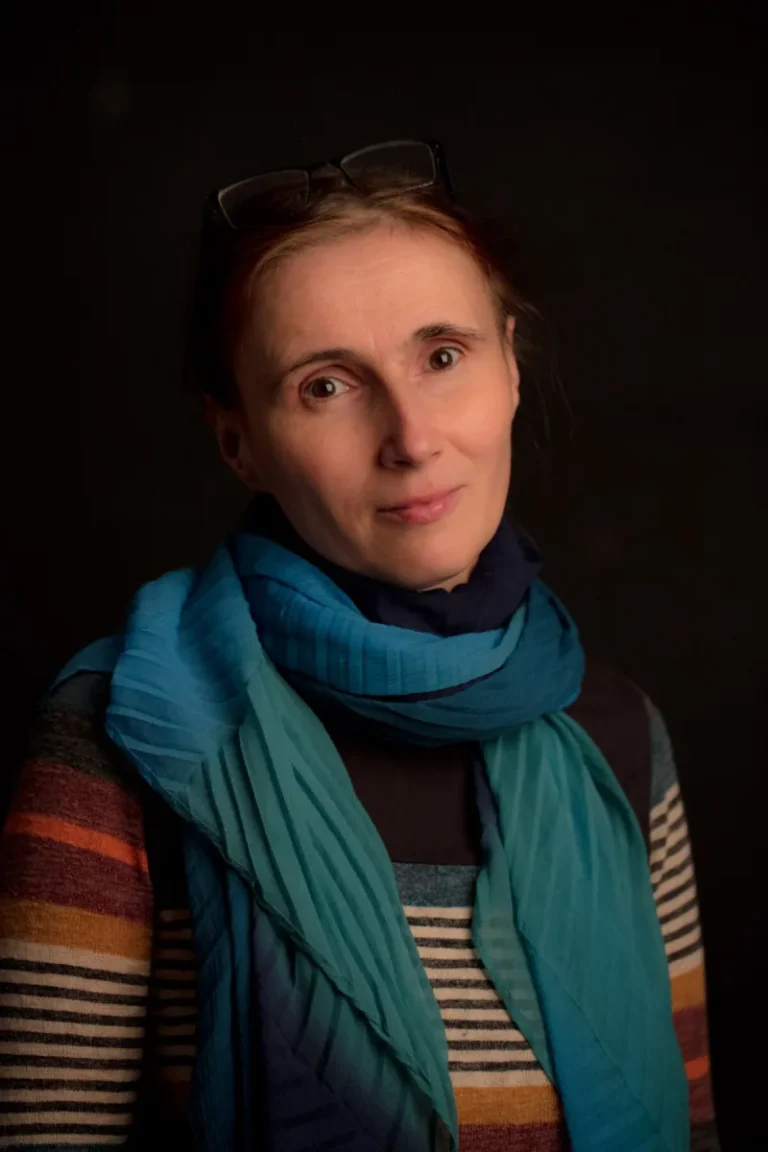
Joanna Sikorska
The National Museum in Warsaw, Poland
Managing Losses and Gains: A Case Study of the Prints and Drawings Collection of the National Museum in Warsaw
Read more
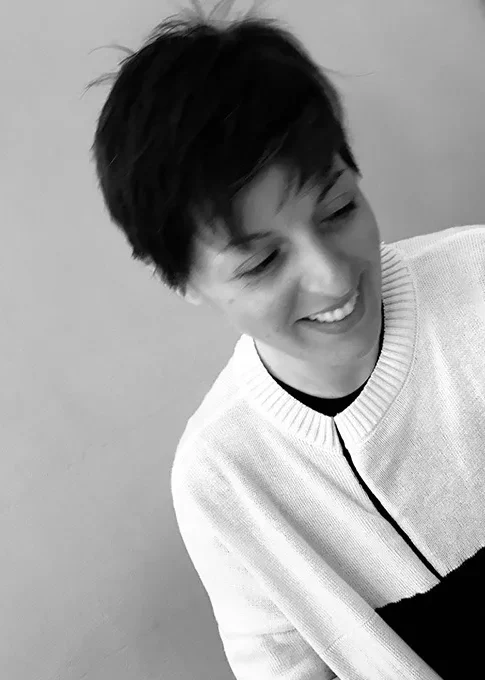
Anna Juga-Szymańska
University of Warsaw, Poland
Archaeological Collections of Vilnius noted in the Archive of Faculty of Archaeology University of Warsaw
Read more
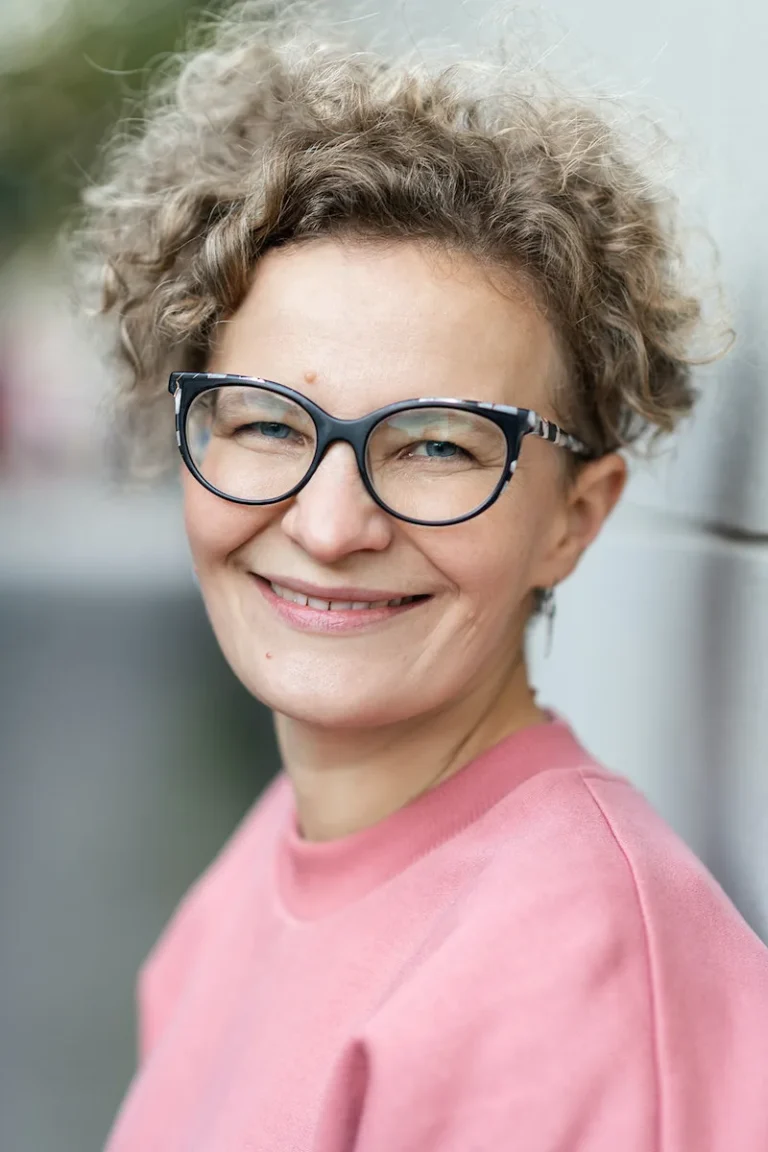
Revekka Kefalea
Independent Researcher, Greece
Restitution, Digitisation and Open Access: Reading the Sarr-Savoy Report in Historical Context
Read more
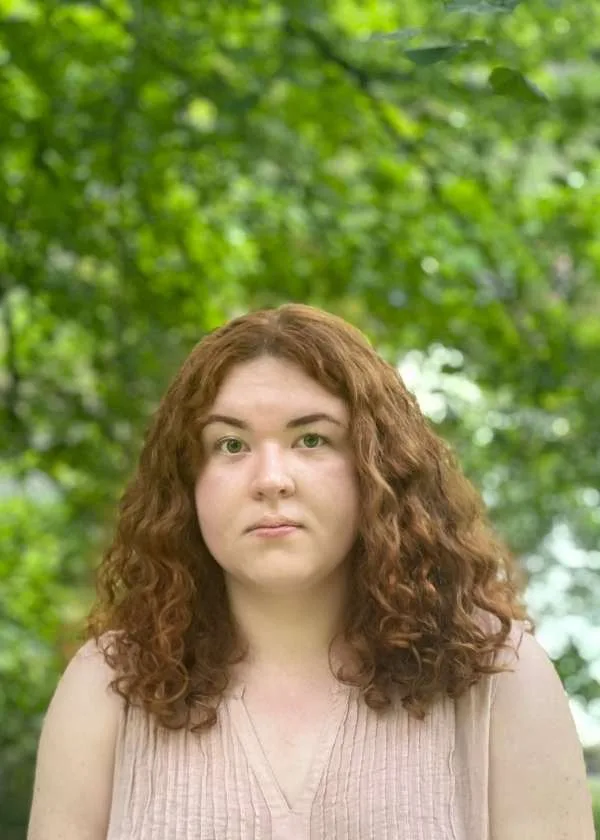
Margaret Tali
Tallinn University, Estonia
Researching Layered Colonialisms through Objects in Estonian Museums
Read more
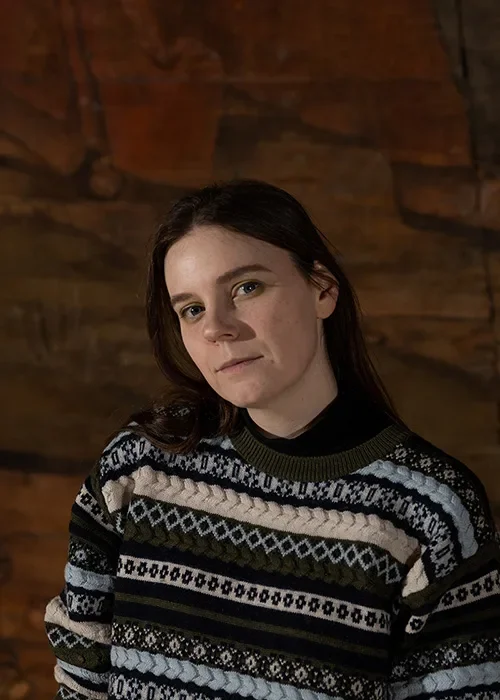
Karolina Bukovskytė
National Museum of Lithuania, Lithuanian Culture Research Institute, Lithuania
The Museum of Atheism as an Institution of Oblivion
Read more
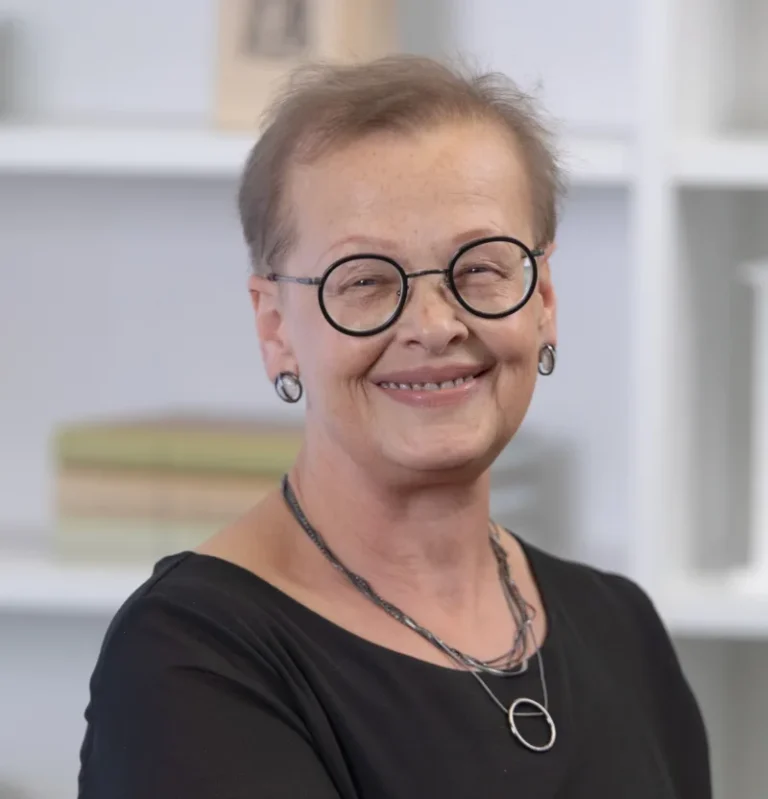
Christien Schrover
Utrecht University, Netherlands
The Altarpiece and its Fragments: the digital reconstruction of the Mary Altarpiece (1475–1477)
Read more
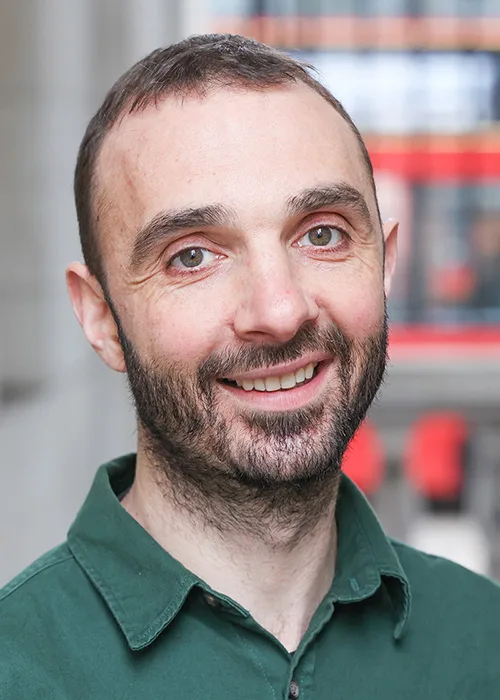
Lara Lempertienė
Martynas Mažvydas National Library of Lithuania, Lithuania
Lost and Found. The provenance and post-WWII status of Jewish documents in the state document repositories of Lithuania
Read more
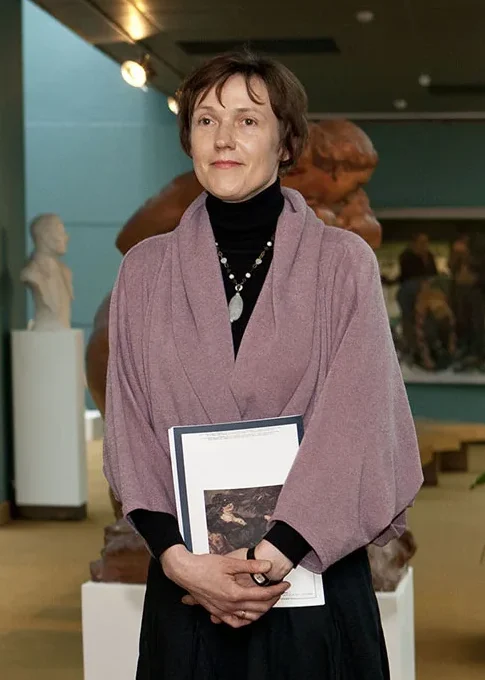
Gethin Rees
King's College London, United Kingdom
‘A map they could all understand.’ Finding alternatives to Web Mercator for visualising dispersed heritage
Read more
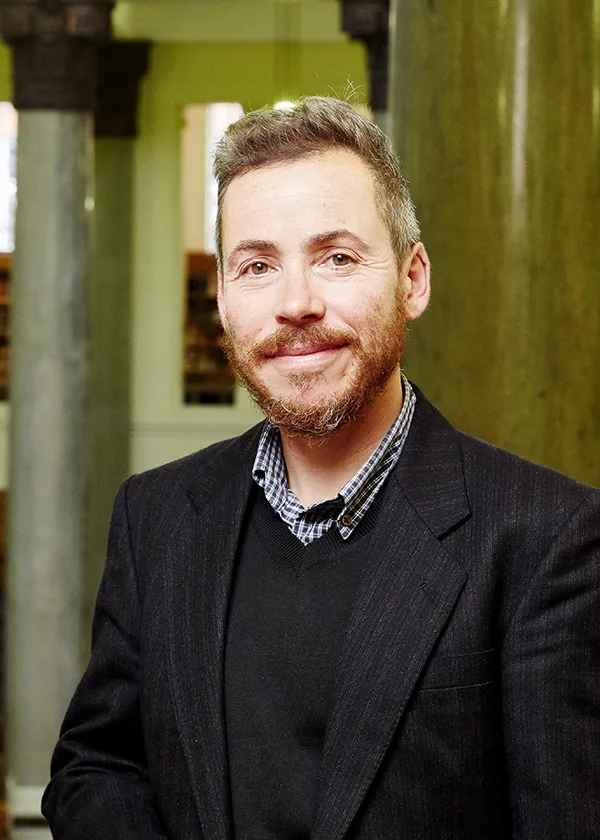
Irmantė Šarakauskienė
M. K. Čiurlionis National Museum of Art, Lithuania
The Dispersed Art Collection of the Counts Hutten-Czapski of the Beržėnai Manor
Read more
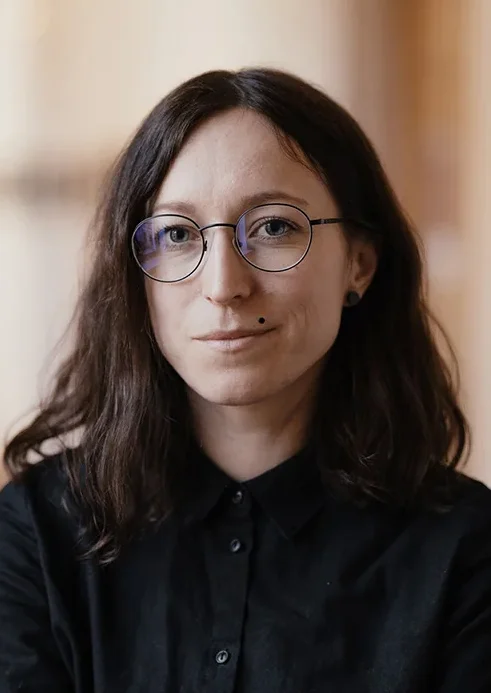
Jay Prosser
University of Leeds, United Kingdom
The Jewish Elgin Marbles: Who Owns the Salonican Shoah Shoe Soles?
Read more
Ernesta Kazakėnaitė
Vilnius University, Lithuania
Dispersed and Rediscovered, Yet Not Fully Connected: A Network of Digitized Lithuanian Books from the 16th–17th Centuries

Read more
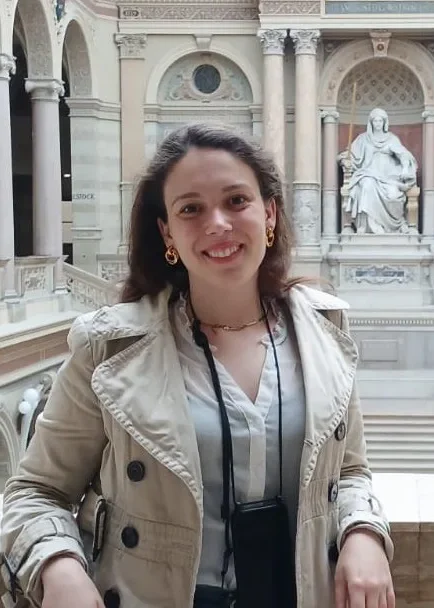
Sherri Berger
Smithsonian's National Museum of American History, United States
Building the Foundation for Discovery: Practical but Transformative Approaches from the Smithsonian’s National Museum of American History
Read more
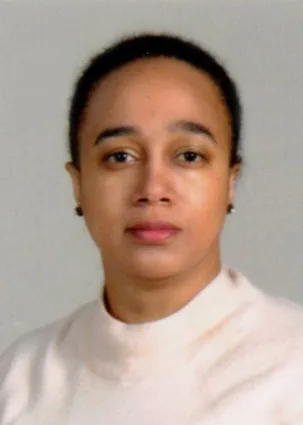
Renia Korma
Rijkuniversiteit Groningen, Independent Art curator, Netherlands
Digitally Reuniting a Fragmented Monument: The Parthenon Sculptures as Dispersed Heritage
Read more
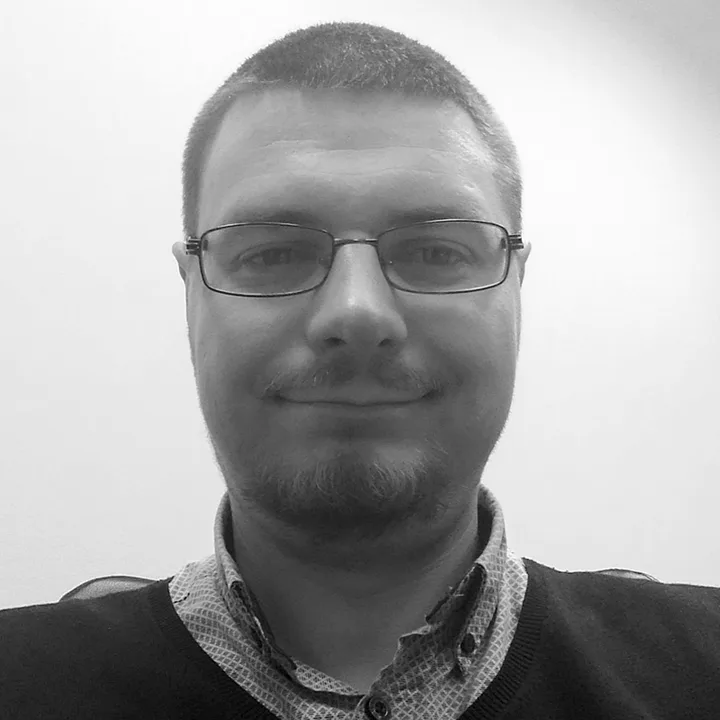
Sandra Fernandes dos Santos
University of Coimbra, Portugal
Bridging Silence: Digital Reconnection of Cabinda’s Proverbial Potlids
Read more
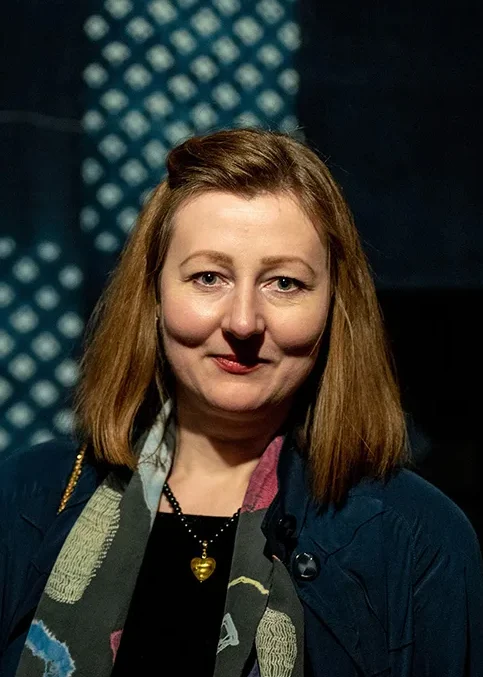
Darius Bujokas
Lithuanian archives of Literature and Art, Lithuania
Archives Portal Europe – (re)uniting dispersed collections in a digital medium
Read more
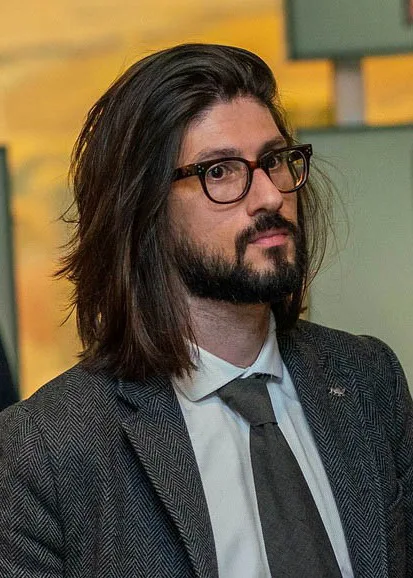
Miglė Lebednykaitė
National Museum of Lithuania, Lithuania
Shared or Scattered? Lithuanian Ethnographic Collections between France and Lithuania
Read more
Raphaël Bories
Museum of European and Mediterranean Civilisations (MuCEM), France
Shared or Scattered? Lithuanian Ethnographic Collections between France and Lithuania
Read more
Judith Hentschel
Germanisches Nationalmuseum, Germany
Beyond the Middle Ages. Reframing Medieval Art in Nuremberg
Read more
Anja K. Frisch
Germanisches Nationalmuseum, Germany
Beyond the Middle Ages. Reframing Medieval Art in Nuremberg
Read more
Wibke Ottweiler
Germanisches Nationalmuseum, Germany
Beyond the Middle Ages. Reframing Medieval Art in Nuremberg
Read more
Lisa Eckstein
Germanisches Nationalmuseum, Germany
Beyond the Middle Ages. Reframing Medieval Art in Nuremberg
Read more
Beate Fücker
Germanisches Nationalmuseum, Germany
Beyond the Middle Ages. Reframing Medieval Art in Nuremberg
Read more
Anna Bitner-Wróblewska
State Archaeological Museum, Warsaw, Poland
Egliškiai-Anduliai (Andullen) cemetery in the Focus of Archival Archaeology
Read more
Audronė Bliujienė
Institute of Baltic Region History and Archaeology, Klaipėda University, Lithuania
Egliškiai-Anduliai (Andullen) cemetery in the Focus of Archival Archaeology
Read more
Mathilde Daussy-Renaudin
UNESCO, France
Implementing the UNESCO 1970 Convention in the digital era: the UNESCO Virtual Museum of Stolen Cultural Objects
Read more
Sylvia Petrovic-Majer
OpenGLAM.at, Austria
Fragments of History - Courage to Embrace the Gap
Read more
Markus Passecker
University of Applied Sciences St. Pölten, Austria
Fragments of History - Courage to Embrace the Gap
Read more
Moshe Lavee
University of Haifa, Israel
Reassembling Intellectual Horizons: The Strashun Library Ledgers as a Pathway to Understanding the Cultural Life of Vilna Jewry
Read more
Dan Rabinowitz
Independent Researcher, United States
Reassembling Intellectual Horizons: The Strashun Library Ledgers as a Pathway to Understanding the Cultural Life of Vilna Jewry
Read more
Eliezer Baumgarten
University of Haifa, Israel
Reassembling Intellectual Horizons: The Strashun Library Ledgers as a Pathway to Understanding the Cultural Life of Vilna Jewry
Read more
Heino Neumayer
Museum für Vor- und Frühgeschichte, Staatliche Museen zu Berlin, Germany
Archival Archaeology - A Platform for International Collaboration
Read more
Audronė Bliujienė
Institute of Baltic Region History and Archaeology, Klaipėda University, Lithuania
Archival Archaeology - A Platform for International Collaboration
Read more
Eglė Rimkienė
Institute of Baltic Region History and Archaeology, Klaipėda University, Lithuania
Archival Archaeology - A Platform for International Collaboration
Read more
Stephen Gray
University of Bristol, United Kingdom
Uncertain Space: Virtually Uniting Geographically Dispersed Collections through the University of Bristol’s Virtual Museum
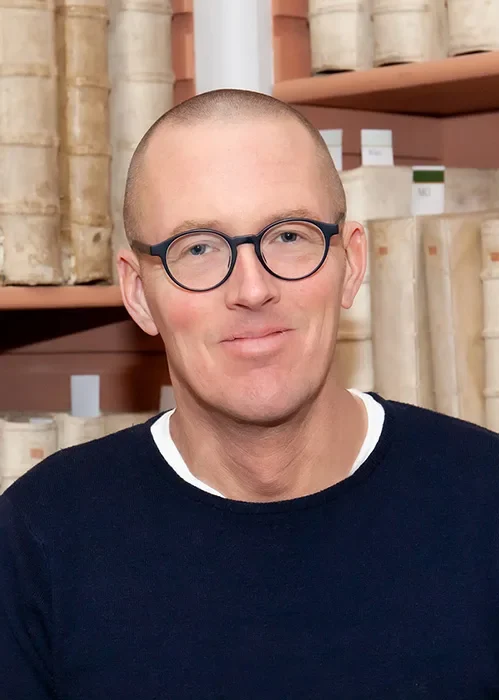
Read more
Peter Sjökvist
Uppsala University Library
Scattered or Disseminated? The Reception of Looted Books in Sweden
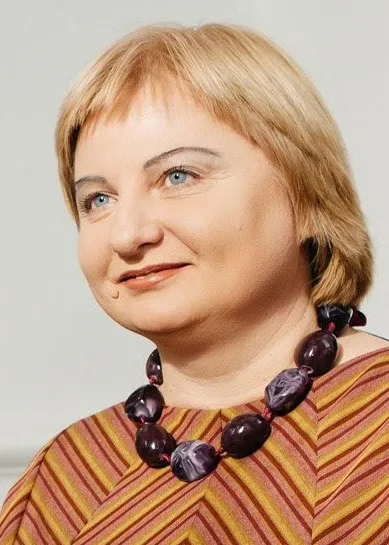
Read more
Vilma Gradinskaitė
Vilna Gaon Museum of Jewish History, Lithuanian National Museum of Art, Lithuania
Jewish Art Collections of Interwar Lithuania and the Vilnius Region: Reconstructing Lost Heritage

Organizing committee

Scientific committee
Dr. Rūta Kačkutė
(committee chair)
National Museum of Lithuania
Dr. Žygintas Būčys
National Museum of Lithuania
Dr. Giedrė Milerytė-Japertienė
National Museum of Lithuania
Dr. Milda Kvizikevičiūtė
National Museum of Lithuania
Indrė Urbelytė
National Museum of Lithuania
Dr. Aurimas Švedas
Lithuanian Institute of History
Dr. Rimvydas Laužikas
Vilnius University, Faculty of Communication
Dr. Norbertas Černiauskas
Vilnius University, History Faculty
Marius Pečiulis
Kaunas Nineth Fort Museum
Juozas Markauskas
Baltic Audiovisual Archives Council
Dr. Sigita Talačkienė
Lithuanian National Museum of Art
Renata Vaičekonytė Kepežinskienė
Secretariat of the Lithuanian National Co mmission for UNESCO

Information

Practical information
Venue
Lithuanian National Museum, Arsenalo st. 3, Vilnius
Conference language
English, Lithuanian (simultaneous translation)
Presentation duration
20 minutes
Publication opportunity
After the conference, speakers will be invited to submit their papers for a peer-reviewed conference proceedings volume.
Important dates
December 30, 2025
Abstract submission deadline
February 9, 2026
Notification of acceptance
April 26, 2026
Slides submission deadline
Presentation texts (for simultaneous translation)
April 29–30, 2026
Conference
September 30, 2026
Paper submission deadline

Sponsors and partners

Kaip nuvykti į Vilniaus miesto centrą
Viešuoju transportu
Autobusai iš oro uosto
88, 1, 2, 3G
Iš stoties
1G, 53 autobusai; 1, 2, 7, 20 troleibusai

Bilietų kainos:
30 min — 1,00 €
60 min — 1,25 €
1 para — 7,50 €
3 paros — 13,50 €
Naudokite „Trafi" programėlę arba „Tap & Go" su banko kortele.
Specialiu traukiniu
Greičiausias būdas pasiekti geležinkelio stotį, esančią visai šalia senamiesčio.
0,80 €
Bilieto kaina į vieną pusę
Bilietus įsigyti galite bilietų automatuose, traukinyje, internetu arba stoties kasose.
Iš oro uosto į peroną veda dengtas pėsčiųjų takas.
Nuoma ir taksi
Taksi programėlės
Bolt Uber
Automobilių nuoma
CityBee SPARK Bolt Drive
Taksi paslaugos oro uoste prieinamos visą parą.
Maistas ir kava
Lietuviški skoniai
Lietuviški skoniai
Cepelinai Kibinai Šaltibarščiai
Kavos kultūra
Desertų Klubas
Prabangūs desertai ir rūšinė kava senamiesčio širdyje.
Backstage Café
Industrinis stilius ir meistriškai paruošta kava.
Escedar Coffee Terrace and Bar
Išskirtinis vaizdas ir atpalaiduojanti atmosfera.
Which museums can I visit with my participant card?

Upon showing your participant card, you can visit the following museums in Vilnius free of charge: 1. All branches of the National Museum of Lithuania located in Vilnius Valid from 29 April to 1 May https://lnm.lt/en/museums/ 2. National Museum – Palace of the Grand Dukes of Lithuania Valid from 29 April to 3 May https://www.valdovurumai.lt/en/ 3. All Vilnius-based branches of the Lithuanian National Museum of Art Valid from 29 April to 3 May https://www.lndm.lt/en/

What currency is used in Lithuania?

Currency: Euro (€).

What language is spoken in Lithuania?

The official language is Lithuanian. English is widely spoken in hotels, restaurants and tourism.

Is tap water safe to drink in Lithuania?

Yes, tap water in Lithuania is safe to drink.

What is the weather like in Vilnius in late April?

Late April in Vilnius brings spring weather: average temperature 10–15 °C during the day. A light jacket is recommended.

What are the shop opening hours?

Major shopping centres operate 9:00–22:00. Smaller shops close around 20:00. Some may have shorter hours on Sundays.

What is the emergency number in Lithuania?

The general emergency number is 112 (police, ambulance, fire).

Are there any similar events in the region?

27–28.04.2026 International conference "Illicit Trafficking of Cultural Objects. Who Protects Heritage?" On 27–28 April 2026, ICOM Estonia, in cooperation with the Estonian National Heritage Board, is organising the international conference “Illicit Trafficking of Cultural Objects. Who Protects Heritage?” at the Estonian National Museum (Muuseumi tee 2, Tartu). The conference will bring together representatives of museums, archives, libraries, law enforcement agencies, and policymakers from the region to discuss patterns of illicit trafficking of cultural objects, ways to prevent it, and international cooperation in protecting cultural heritage. Illicit trafficking of cultural objects remains a global problem. The growing use of digital platforms has created new challenges, providing additional channels for traffickers to operate. The conference presentations will address legislative frameworks related to the illicit trafficking of cultural objects, regional case studies, and the role of museums and heritage institutions in safeguarding cultural heritage. Raising awareness among museums and law enforcement agencies is one of the most effective ways to prevent illicit trafficking, and this will be a key focus of the conference. Conference programme: https://www.icomeesti.ee/kultuurivaartuste-ebaseaduslik-kaubandus/conference Participation in the conference is free of charge; however, pre-registration is required (open until 13 April): https://www.icomeesti.ee/kultuurivaartuste-ebaseaduslik-kaubandus/registreerimine The conference will be livestreamed and simultaneous interpretation in Estonian and English will be provided. The conference is organised within the framework of the ICOM project PRISM, funded by the European Union, which aims to raise awareness of illicit trafficking of cultural objects and strengthen international cooperation in protecting cultural heritage. More information: https://www.icomeesti.ee/kultuurivaartuste-ebaseaduslik-kaubandus Further information: Agnes Aljas, Estonian National Museum, [email protected]; Tiina Vint, University of Tartu Museum,[email protected]